HUD Adjusted HIP Implementation Plan Based on Input from the Working Group
This week HUD provided the IT Working Group with a preview of the implementation plan for the Housing Information Portal (HIP), which will soon replace the aging IMS/PIC system. The IT Working Group met in January to provide HUD with input on our collective concerns about the HIP transition. HUD subsequently considered the group’s feedback and adjusted the plan to provide PHAs more time to integrate our systems and IT vendors with necessary forms, technical information, and some advanced access to test the new systems. HUD joined the Tuesday, March 26 IT Working Group meeting to preview the HIP implementation plan.
CLPHA created and convened the IT Working Group along with its industry partners at NAHRO, PHADA, and the MTW Collaborative to prepare for upcoming large-scale changes to PIH-REAC online systems – most notably HIP. This joint industry collaboration serves as an important forum of input and communication between HUD, PHAs’ IT departments, and IT software vendors, helping ensure the transition to a modern online system is as smooth as possible.
Tentative key dates in the HIP transition plan are as follows:
- April 12-15, 2024: target date to release HIP implementation notice.
- May, June, July, August: PHAs should clean their data and submit their last PIC submissions.
- August 5, 2024: Projected date of final IMS/PIC submissions.
- August 15, 2024: data migration will begin.
- HUD is migrating the last 3 years of data into HIP.
- Older data will be archived and put into a separate system.
- October 15, 2024: HIP opens for business for everyone.
- Initially, HIP will only include the 2020 versions of 50058s.
- January 1, 2025: HOTMA compliance date.
- HIP will go fully live with 2024 versions of form 50058.
- Any changes to households after 1/1/2025 will be required to use 2024 HOTMA-compliant versions of 50058s.
- March 2, 2025: date by which PHAs must make any updates of data entered using old versions of 50058s to new versions of 50058s.
The IT Working Group consists of PHAs’ IT staffers, PHAs’ software vendors, HUD, and other stakeholders to identify high-level technical issues of the systems’ migration, brainstorm solutions, and communicate with HUD-REAC to address policy positions and priorities. The working group also considers essential aspects of data sharing and dashboards, cybersecurity concerns, and other IT considerations affecting PHAs.
If you’re interested in joining the IT Working Group, please contact Malcolm Guy ([email protected]).
The convergence of a global pandemic, a worldwide climate crisis, and growing economic inequality will have a lasting impact on the actions we take to protect lives, reduce disparities, meet energy needs, and prepare for disasters. These events have catalyzed a rethinking of how we manage, improve, and expand housing supply, strengthen neighborhood infrastructure, and invest in communities to improve life outcomes. In this post-pandemic era, it is widely accepted that housing stability is foundational to the health and well-being of the nation. At the same time, we are faced with rising rents and alarming housing supply deficits. We have a rare opportunity to establish a sustainable future for the public housing portfolio, an essential component of our national affordable housing supply.
CLPHA is calling for a ten-year roadmap for public housing sustainability to marshal the necessary policies, resources, services, and political support to recapitalize the portfolio by leveraging increased and targeted public and private investments through preservation, redevelopment, mixed-used transformations, transfer of assistance, and other innovative strategies. The tools, methods and mechanisms needed to bring leveraged public and private investments to public housing have been developed over the years. We need a strategic framework for committing resources and developing policies to scale that make buildings and neighborhoods sustainable platforms for improving life outcomes for residents.
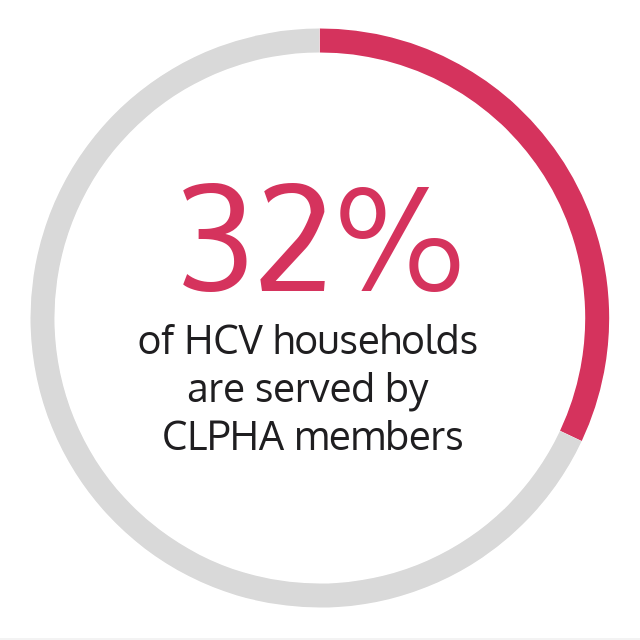
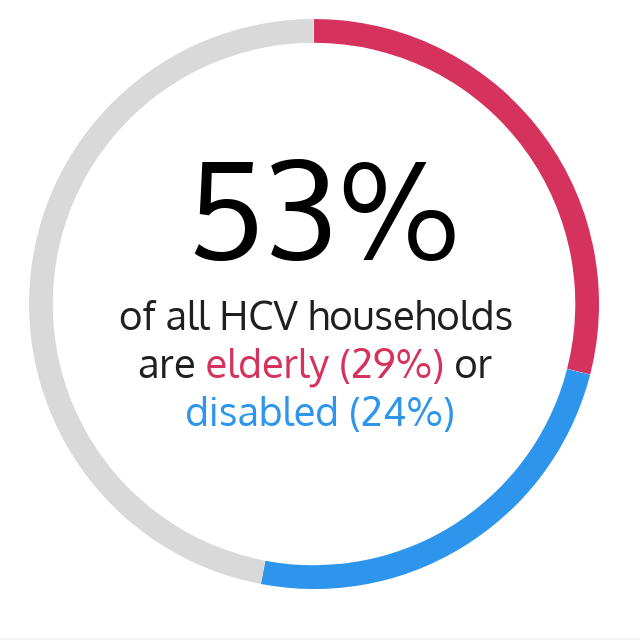
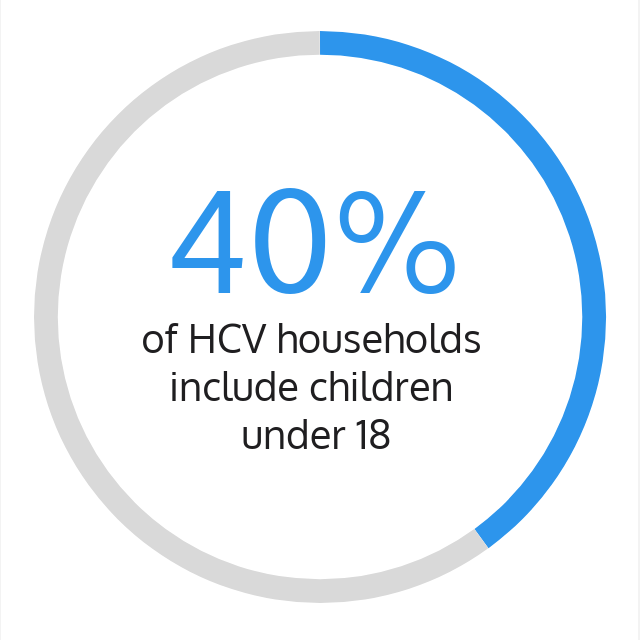
Public housing authorities (PHAs) are our nation’s most effective affordable housing delivery system, serving over 3.3 million households under the public housing and Housing Choice Voucher programs, with over one million of these households including children. Additionally, over half of public housing and voucher households are headed by a senior or a person with disability.
These policy priorities reflect the challenges facing large PHAs, who manage an undercapitalized and overregulated public housing portfolio facing not only an $100 billion capital needs backlog, but also housing supply shortages, escalating rents and increasing demand for housing assistance. Despite these burdens, PHAs provide crucial housing assistance in their communities through owning, managing and improving public housing, making the private rental market affordable through housing vouchers, and developing new affordable housing through public and private partnerships. PHAs are lifelines for the households and communities they serve.
With most COVID funding and waivers expired, PHAs face serious operational challenges due to tight rental markets, high inflation, rising construction and maintenance costs, labor market shortages, and insufficient funding. Evidence emerging from the pandemic experience demonstrates that robust social safety net programs are critical to protecting our most vulnerable individuals, children, seniors and people with disabilities- making deep cuts to these programs indefensible.
To ensure CLPHA’s members have the tools and resources to fulfill their missions, CLPHA’s 2024 priorities are:
- Develop and fund the Public Housing Ten-Year Sustainability Plan to recapitalize the aging public housing portfolio
- Improve and expand the Housing Choice Voucher program to better serve local markets and special-needs households
- Increase affordable housing supply using new incremental vouchers coupled with LIHTC expansion
- Expand and incentivize cross-sector collaborations that improve the life outcomes of assisted households and address racial disparities and inequities
The Veterans Administration (VA) has published updated HUD-VASH guidance allowing PHAs with unleased HUD-VASH vouchers to serve as Designated Service Providers (DSPs) for the purposes of veteran selection and intake. The new HUD-VASH Operating Requirements provide new authorization allowing a PHA to also serve in the role of DSP for Veteran selection, intake, and temporary case management. This DSP approval allows a PHA to issue a HUD-VASH voucher to a veteran without a referral from the VA.
The PHA is responsible for determining the veteran is eligible for VA HUD-VASH case management. The PHA must refer the veteran to the VA for case management and must provide temporary case management (up to 180 days, or any VA-approved extension) until the VA Medical Center has completed intake of the veteran. PHAs approved under this authority must ensure that while using unleased HUD-VASH vouchers, they maintain sufficient HUD-VASH vouchers available to immediately issue a HUD-VASH voucher to veterans referred by the VA.
PHAs must apply to the VA to be granted this authority. To apply to be a DSP, the PHA must submit an application packet to the VA National HUD-VASH Program Office at [email protected] that includes:
- A completed HUD-VASH Designated Service Provider (DSP) Application Form.
- A copy of an executed Memorandum of Agreement (MOA) between the PHA and VAMC.
- A completed “In Kind Services Agreement” between the Department of Veterans Affairs and the PHA.
Upon receipt of the completed application packet, the VA National HUD-VASH Program Office will review the request in consultation with HUD Headquarters and make a decision. If approved, the PHA will receive a designation letter from the Secretary’s office with an immediate effective date for the approval. The VA Medical Center will be simultaneously informed and services may begin.